Average Seismic Retrofit Costs in San Francisco for 2025
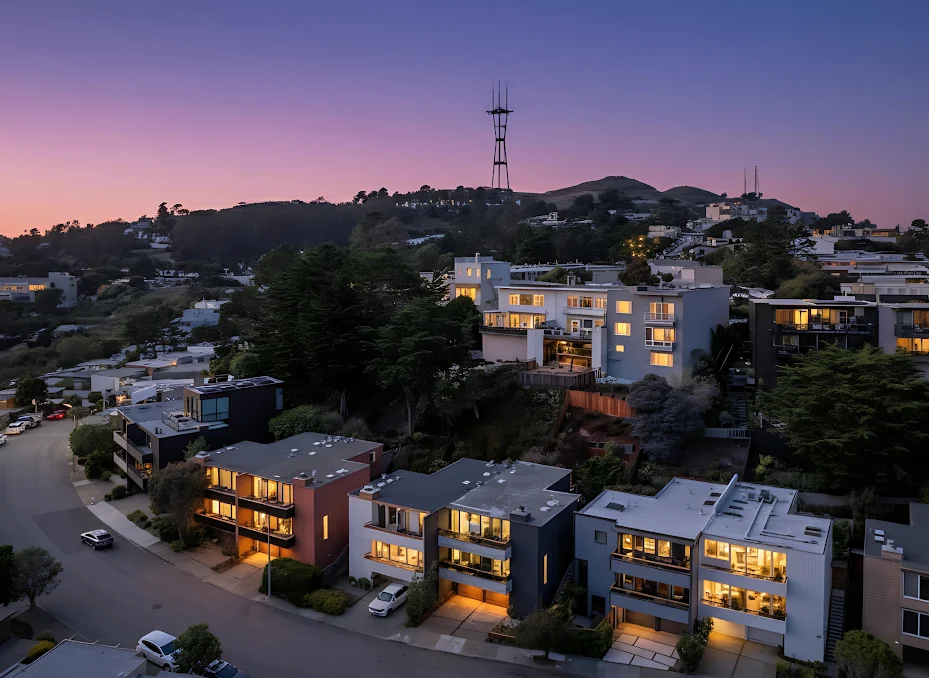
San Francisco's location near the San Andreas Fault makes seismic retrofitting one of the most important upgrades a homeowner can consider. In a city where a large share of homes were built before modern earthquake standards, many properties still need strengthening to better handle seismic shaking. For owners of older single-family homes, Victorians, hillside houses, and properties with garages or open ground floors, retrofit planning is no longer just a technical issue. It is a financial, safety, and resale decision.
In 2025, retrofit costs in San Francisco continue to reflect rising labor rates, material inflation, engineering requirements, and permit compliance. Even so, the cost of doing nothing can be much higher when earthquake damage affects foundations, cripple walls, framing, or soft-story conditions. For many homeowners, the real question is not whether retrofitting costs money, but whether the long-term protection, reduced risk, and possible resale benefits justify the investment.
This guide breaks down common seismic retrofit options, average installed price ranges, factors that affect pricing in San Francisco, and the grants or financing programs that may help reduce out-of-pocket costs. It is designed for homeowners who want a practical overview before getting bids or speaking with an engineer.
Get a Cash Offer TodayWhy Retrofit Costs Matter More in San Francisco
San Francisco has a dense mix of older housing stock, narrow lots, hillside construction, and properties with structural layouts that can be vulnerable during an earthquake. Homes with raised foundations, cripple walls, unanchored sill plates, or open garage fronts often need targeted improvements to reduce lateral movement and improve stability. In neighborhoods with older homes, owners may also be balancing preservation concerns with modern safety requirements.
Because of these local conditions, retrofit scope can vary dramatically from one property to another. A simple brace-and-bolt job on a crawl-space home is very different from a more involved soft-story upgrade or a multi-component retrofit on a hillside structure. The result is a wide pricing range, and that is why local inspections, engineering review, and code compliance matter so much before budgeting.
For many San Francisco owners, retrofitting is also tied to future selling plans. A house with known structural vulnerabilities, deferred compliance issues, or visible foundation concerns may face buyer hesitation, negotiation pressure, or extra scrutiny during a sale. Addressing those issues early can create better options later — while choosing not to address them leaves the owner with fewer paths to a clean, full-price transaction.
Seismic Retrofit Options and Average 2025 Costs
Costs vary based on house size, access, structural condition, engineering needs, and neighborhood-specific constraints. The ranges below reflect typical installed pricing for common San Francisco retrofit scopes.
| Retrofit Type | Description | Average Cost (2025) | Notes |
|---|---|---|---|
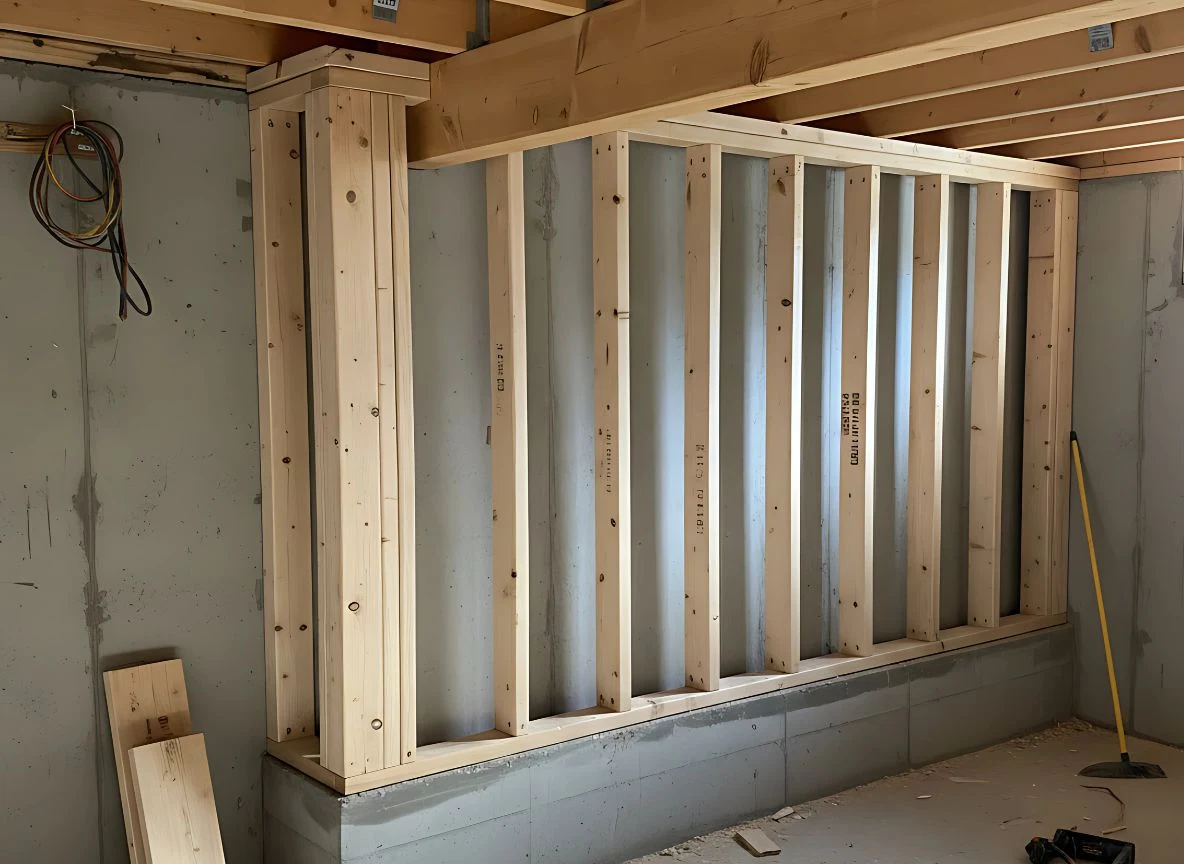
| Brace + Bolt | Bolts the house to its foundation and adds bracing for older homes with raised foundations or crawl spaces. | $3,000–$10,000 | Often considered the most practical entry-level retrofit for older wood-frame homes and may qualify for grant support. |
| Soft-Story Retrofit | Reinforces weak ground-floor garages or open front areas in homes with living space above. | $14,000–$27,000 | Common in San Francisco and often more urgent because open-front conditions can significantly increase structural vulnerability. |
| Cripple Wall Bracing | Adds plywood sheathing and reinforcement to weak crawl-space walls below the main floor. | $2,000–$5,000 | Frequently paired with foundation anchoring to improve overall performance during shaking. |
| Full Foundation Anchoring | Secures the mudsill to concrete with anchor bolts to reduce sliding or separation from the foundation. | $1,000–$2,500 | Often serves as a foundational first step before additional bracing or wall reinforcement is added. |
| Shear Wall Addition | Installs shear walls to improve resistance to side-to-side movement in multi-story or hillside homes. | $5,000–$15,000+ | Can be a cost-effective alternative to more invasive steel or concrete approaches depending on the property. |
What Drives Retrofit Costs Up in San Francisco
Home age, structural layout, property access, and neighborhood conditions all influence pricing. Pre-1980 wood-frame homes often have simpler retrofit paths than concrete or more complex structures, but they can still require significant reinforcement if the foundation, cripple walls, or anchoring are outdated. Homes with garages, steep lots, or hard-to-reach crawl spaces usually cost more because labor takes longer and the work can be more specialized.
Location also matters. In dense neighborhoods or hillside areas, limited access, permit coordination, staging constraints, and site logistics can all increase labor and project management costs.
Engineering, Permits, and Compliance
In San Francisco, engineering review and permitting are often part of the real cost picture. Structural engineer inspections and design input can add an up-front expense, but they help define the right scope and reduce the risk of incomplete work.
For owners already planning to sell, unresolved structural issues can increase buyer concerns and negotiation pressure.
How Size and Inflation Affect Pricing
Retrofit work scales with square footage, but not always in a perfectly linear way. Larger homes often need more materials, more labor time, and broader engineering review.
Owners planning multiple upgrades should build in a contingency of ten to fifteen percent above the quoted estimate.
Soft-Story and Hillside Homes Can Cost Far More
Soft-story properties and hillside homes can quickly move into much higher budgets. These homes may need additional design work, stronger materials, or custom solutions based on structural reviews.
A clear inspection and scope definition can prevent mid-project surprises and help owners decide whether to retrofit or sell as-is.
Grants and Financing That Can Reduce Out-of-Pocket Costs
Retrofit costs can feel heavy at first, but many homeowners are not paying the full gross project price alone. State-backed programs, grant opportunities, and financing tools may help reduce the burden.
- 1California Residential Mitigation Program
Can provide meaningful grant support for qualifying retrofit work.
- 2CEA Support for Eligible Policyholders
Some homeowners may qualify for support that helps cover brace-and-bolt style upgrades.
- 3PACE-Style Financing
Long-term financing options can help spread design, permit, and retrofit costs over time.
- 4Insurance and Resale Benefits
A documented retrofit can reduce buyer concerns during a sale.
Is Seismic Retrofitting Worth It for San Francisco Owners?
For many homeowners, the answer comes down to risk tolerance, future plans, and the current condition of the property. Retrofitting can make sense when the house has obvious vulnerabilities or when the owner plans to hold the property long-term.
In practical terms, the value of retrofitting is not only measured in repair savings. It can also show up as easier insurability, less financial exposure during seismic events, better disclosure positioning, and stronger marketability when it is time to sell.
Next Steps for Homeowners Considering a Retrofit
Assess the Home
Start with a structural review or eligibility screening to understand whether your house has common earthquake vulnerabilities.
Get Multiple Quotes
Compare at least two to three licensed retrofit contractors and make sure each bid reflects a similar scope.
Review Grants and Financing
Check current program availability before scheduling work so you do not miss grant support or financing options.
Decide: Retrofit or Sell As-Is
Compare the full upgrade cost and timeline against the option of selling the home directly in its current condition.
Is Your San Francisco Home Earthquake-Ready?
Seismic retrofitting can be one of the smartest upgrades for safety, long-term value, and peace of mind.
But if the house needs major structural work and you would rather avoid the cost, delay, and uncertainty of a full retrofit before selling, Twin Home Buyer can help you explore a direct as-is cash sale instead.
See Your Cash Offer Options